
Introduction: What Is Physiotherapy?
Physiotherapy is a modern healthcare discipline that is used for helping the individuals to regain their mobility, strength, and Profunction following injury, illness, or physical limitations. The purpose of physiotherapy is to restore the body’s natural movement using non-surgical methods such as advanced rehabilitation techniques, manual therapy, therapeutic exercise, and posture correction. Physiotherapy plays a vital role in improving overall quality of life. Regarding relieving everyday aches and treating complex sports injuries and post-surgical conditions, physiotherapy plays a vital role in improving overall quality of life. Unlike treatments that only mask pain, physiotherapy aims to identify and address the root cause of physical problems. By improving strength, flexibility, balance, and mobility, which not only supports recovery but also helps prevent future injuries.
The Importance of Physiotherapy in Modern Healthcare
Profunction Physiotherapy has become a cornerstone of preventive and rehabilitative healthcare. However, with rising physical stress, inactive lifestyles, and sports related injuries, more individuals are looking for physiotherapy to manage their pain and enhance physical performance.
Key benefits include:
- Pain relief without dependency on medication
- Faster injury recovery
- Improved joint mobility and muscle flexibility
- Enhanced posture and body mechanics
- Increased strength and coordination
- Reduced risk of recurring injuries
Conditions Treated Through Physiotherapy
Physiotherapists treat a wide range of conditions affecting people of all ages and activity levels:
- Sports Injuries: Profunction Athletes commonly rely on physiotherapy for the treatment of muscle strains, ligament sprains, tendonitis, shin splints, and joint injuries. Rehabilitation programs focus on healing tissues, restoring performance, and preventing future injury.
- Musculoskeletal Pain: Physiotherapy is highly effective for back pain, neck stiffness, shoulder pain, knee problems, and poor posture. Targeted manual therapy and strengthening exercises help reduce discomfort and restore normal movement patterns.
- Post-Surgical Rehabilitation: After operations such as knee replacements, ligament reconstruction, or spinal surgery, physiotherapy helps rebuild muscle strength, improve joint mobility, and restore functional independence.
- Neurological Rehabilitation: Patients recovering from stroke, nerve injuries, or neurological disorders benefit from specialized physiotherapy that retrains movement, enhances coordination, and improves balance.
- Chronic Pain Conditions: Conditions like arthritis, fibromyalgia, and repetitive strain injuries respond well to physiotherapy strategies designed to maintain mobility and manage long-term discomfort.
Physiotherapy Treatment Techniques
Physiotherapy combines various modern and traditional techniques to maximize results:
- Manual Therapy: Hands-on treatments including mobilization, joint manipulation, and muscle release to reduce stiffness and promote circulation.
- Therapeutic Exercises: Customized strength, stretching, and functional training programs help rebuild muscle balance, stability, and endurance for daily activities or athletic performance.
- Electrotherapy: Modalities such as ultrasound therapy, shockwave therapy, and electrical stimulation are used to reduce inflammation and accelerate tissue healing.
- Dry Needling: A technique that targets muscle trigger points to relieve pain, restore flexibility, and improve blood flow.
- Taping and Bracing: Profunction Sports tapes and braces provide joint support, reduce injury risk, and enhance muscle activation during movement.
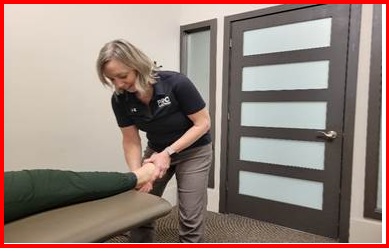
(Manual Therapy for hands-on treatments including mobilization, joint manipulation, and muscle release to reduce stiffness and promote circulation)
Injury Prevention and Performance Enhancement
One of the greatest benefits of physiotherapy is its preventive role. Physiotherapists assess body mechanics, posture, and movement patterns to identify weaknesses or imbalances that could lead to injury.
Preventive programs may include:
- Functional strength training
- Mobility drills
- Balance and coordination exercises
- Sports-specific conditioning
- Ergonomic workplace strategies
These interventions help athletes perform better while protecting everyday individuals from workplace injuries and chronic strain issues.
Physiotherapy for All Ages
Physiotherapy is beneficial at every stage of life:
- Children and adolescents improve posture, coordination, and injury recovery.
- Adults manage work-related pain, sports injuries, and fitness limitations.
- Seniors enhance balance, mobility, flexibility, and fall prevention strategies.
No matter your age or activity level, physiotherapy always offers safe and effective solutions for maintaining an active, healthy lifestyle.
Choosing the Right Physiotherapy Clinic
Selecting a trusted physiotherapy provider ensures better results and a smoother recovery journey. What to look in a clinic:
- Licensed and experienced physiotherapists
- Personalized treatment programs
- Modern rehabilitation equipment
- Patient-centered care
- Education for at-home exercise continuity
A clinic committed to complete wellness, not only focuses on treatment but also on helping patients to maintain long-term physical health.

(A physiotherapist guiding a patient through treadmill rehabilitation, demonstrating personalized care and modern recovery techniques)
Conclusion: Why Physiotherapy Is Essential for Well-Being
Physiotherapy is more than injury treatment, it is a pathway towards better movement, independence, and overall wellness. By combining science-based rehabilitation with personalized care, physiotherapy promotes faster healing, pain management, injury prevention, and peak physical performance.
Whether you are healing from an injury, battling chronic pain, or striving to improve athletic results, physiotherapy offers the tools and expertise to help you live actively and confidently every day.