
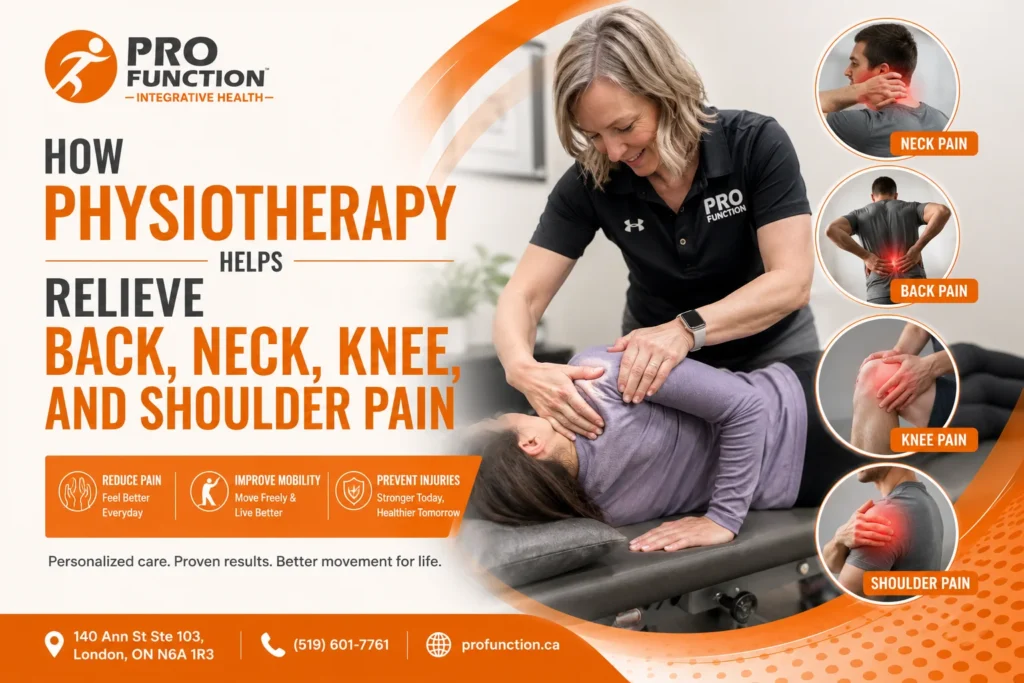
Pain in your back, neck, knees, or shoulders can make even the simplest daily tasks feel challenging. Whether it’s sitting at your desk, climbing stairs, lifting groceries, or enjoying your favorite activities, persistent pain can affect your quality of life. While pain medication may temporarily ease your symptoms, it often doesn’t address the underlying cause. Physiotherapy takes a different approach by identifying the source of your discomfort and creating a personalized treatment plan that promotes healing, restores movement, and helps prevent future injuries. Whether your pain is caused by poor posture, a sports injury, arthritis, repetitive strain, or recovering from surgery, physiotherapy offers a safe, evidence-based solution to help you move with confidence again.
Understanding Musculoskeletal Pain
Back, neck, knee, and shoulder pain are among the most common reasons people seek healthcare. These areas are constantly involved in everyday movements, making them more vulnerable to injuries and wear over time.
Pain may develop suddenly after an accident or sports injury, or gradually due to repetitive movements, poor posture, aging, or underlying medical conditions. Ignoring pain often allows the problem to worsen, making early assessment and treatment essential for a faster recovery.
Rather than simply masking pain, physiotherapy focuses on identifying the root cause of the problem. By restoring normal movement patterns, strengthening weak muscles, and improving joint function, physiotherapy helps patients recover safely while reducing the risk of future injuries.
Common Causes of Back, Neck, Knee, and Shoulder Pain
Many different factors can contribute to joint and muscle pain. Some of the most common causes include:
- Poor posture while sitting or standing
- Muscle strains and ligament sprains
- Sports-related injuries
- Repetitive movements at work
- Heavy lifting with improper technique
- Arthritis and joint degeneration
- Herniated or bulging discs
- Tendon inflammation
- Rotator cuff injuries
- Ligament injuries such as ACL tears
- Weak core muscles
- Limited flexibility
- Previous surgeries
- Car accidents or falls
- Sedentary lifestyle
Every person’s condition is different, which is why physiotherapy begins with a comprehensive assessment before creating an individualized treatment plan.
How Physiotherapy Helps Reduce Pain Naturally
Unlike treatments that only provide temporary symptom relief, physiotherapy addresses the underlying mechanical issues causing your pain.
A physiotherapist carefully evaluates your posture, movement patterns, muscle strength, flexibility, balance, and joint mobility to determine what’s contributing to your discomfort.
Your personalized treatment plan may include:
- Manual therapy
- Therapeutic exercises
- Stretching programs
- Joint mobilization
- Strength training
- Posture correction
- Balance and coordination exercises
- Functional movement retraining
- Home exercise programs
- Education on injury prevention
These treatments work together to reduce inflammation, restore mobility, improve strength, and help your body heal naturally.
Physiotherapy for Back Pain

Why Does Back Pain Occur?
Back pain is one of the leading causes of disability worldwide. It can affect people of all ages and may range from mild discomfort to severe pain that limits everyday activities.
Common causes include:
- Poor posture
- Muscle strains
- Herniated discs
- Sciatica
- Arthritis
- Weak core muscles
- Heavy lifting
- Sedentary lifestyle
Many people rely on pain medication for temporary relief, but unless the underlying issue is addressed, symptoms often return.
How Physiotherapy Helps Back Pain
A physiotherapist identifies the source of your back pain rather than simply treating the symptoms.
Treatment often includes:
Manual Therapy
Hands-on techniques improve spinal mobility while reducing stiffness and muscle tension.
Core Strengthening
Strong abdominal and back muscles provide better spinal support and reduce stress on the lower back.
Stretching Exercises
Improving flexibility helps reduce muscle tightness that contributes to pain.
Posture Training
Many cases of chronic back pain are related to poor sitting or standing posture. Learning proper body mechanics can significantly reduce recurring pain.
Functional Movement Training
Patients learn safer ways to lift, bend, twist, and perform daily activities without placing excessive strain on the spine.
Benefits of Physiotherapy for Back Pain
Patients often experience:
- Reduced pain
- Improved mobility
- Better posture
- Increased flexibility
- Stronger core muscles
- Lower risk of future injuries
- Improved confidence in daily activities
Physiotherapy for Neck Pain

What Causes Neck Pain?
Neck pain has become increasingly common due to modern lifestyles.
Common causes include:
- Prolonged computer use
- Poor workstation setup
- Smartphone use (“tech neck”)
- Muscle strain
- Whiplash injuries
- Arthritis
- Stress-related muscle tension
- Sleeping in awkward positions
Without treatment, neck pain may lead to headaches, shoulder pain, numbness, or reduced mobility.
How Physiotherapy Helps Neck Pain
A physiotherapist evaluates your neck movement, posture, muscle strength, and surrounding joints to determine the cause of your symptoms.
Treatment may include:
Gentle Manual Therapy
Mobilizing stiff joints helps restore normal movement and reduce discomfort.
Neck Strengthening Exercises
Targeted exercises improve muscle support around the cervical spine.
Stretching Tight Muscles
Many patients experience tightness in the upper trapezius, shoulders, and chest muscles. Stretching helps restore flexibility and reduce tension.
Ergonomic Education
Simple changes to your workstation, monitor height, chair position, and daily habits can significantly reduce recurring neck pain.
Movement Retraining
Patients learn healthier movement patterns that place less stress on the neck throughout the day.
Benefits of Neck Physiotherapy
Many patients notice improvements such as:
- Less stiffness
- Reduced headaches
- Better posture
- Increased neck mobility
- Improved muscle strength
- Easier daily movement
- Reduced dependence on pain medication
Physiotherapy for Knee Pain

The knee is one of the body’s most complex and heavily used joints. It supports your body weight during walking, running, climbing stairs, and many everyday activities. Because of the constant stress placed on the knee, injuries and pain are common among people of all ages—from athletes to older adults.
Knee pain can develop suddenly after an injury or gradually over time due to wear and tear, repetitive movements, or underlying health conditions.
Common Causes of Knee Pain
Several conditions can contribute to knee pain, including:
- Ligament injuries such as ACL or MCL tears
- Meniscus injuries
- Osteoarthritis
- Patellofemoral pain syndrome (runner’s knee)
- Tendinitis
- Muscle weakness around the knee
- Sports injuries
- Overuse from repetitive activities
- Post-surgical rehabilitation
Pain may make it difficult to walk, squat, climb stairs, exercise, or even stand for long periods.
How Physiotherapy Helps Knee Pain
Physiotherapy focuses on improving the strength, stability, and mobility of the knee joint while addressing the underlying cause of pain.
Treatment may include:
- Strengthening exercises for the quadriceps, hamstrings, and gluteal muscles
- Balance and stability training
- Flexibility exercises
- Manual therapy to improve joint movement
- Gait assessment and walking retraining
- Functional exercises for everyday activities
- Return-to-sport rehabilitation for athletes
A personalized rehabilitation program helps improve knee function while reducing the risk of future injuries.
Physiotherapy for Shoulder Pain

The shoulder is one of the most mobile joints in the human body, allowing you to lift, reach, throw, push, and pull with ease. However, its wide range of motion also makes it more vulnerable to injuries and instability.
Shoulder pain can interfere with everyday activities like dressing, reaching overhead, driving, sleeping comfortably, or carrying objects. Without proper treatment, even minor shoulder problems can gradually become more severe and limit your mobility.
Common Causes of Shoulder Pain
Shoulder pain may result from a variety of conditions, including:
- Rotator cuff injuries
- Shoulder impingement syndrome
- Frozen shoulder (adhesive capsulitis)
- Shoulder instability
- Tendinitis and bursitis
- Arthritis
- Sports-related injuries
- Poor posture
- Muscle imbalances
- Repetitive overhead movements
How Physiotherapy Helps Shoulder Pain
A physiotherapist performs a detailed assessment to determine what’s causing your shoulder pain before creating a personalized rehabilitation program.
Treatment may include:
Manual Therapy
Hands-on techniques help restore joint mobility, reduce stiffness, and improve overall shoulder movement.
Strengthening Exercises
Weak shoulder and upper back muscles can contribute to pain and instability. Strengthening these muscles improves joint support and function.
Mobility and Stretching Exercises
Gentle stretching helps improve flexibility and restore your shoulder’s natural range of motion.
Postural Correction
Poor posture often contributes to shoulder pain. Improving spinal alignment and shoulder positioning reduces unnecessary strain on the joint.
Functional Rehabilitation
Your physiotherapist gradually introduces movements that mimic your daily activities, work demands, or sports-specific movements to ensure a safe return to normal function.
Benefits of Shoulder Physiotherapy
Many patients experience:
- Reduced pain and inflammation
- Improved range of motion
- Increased shoulder strength
- Better posture
- Easier overhead movement
- Improved sleep quality
- Faster recovery after injury or surgery
Common Physiotherapy Treatments for Pain Relief
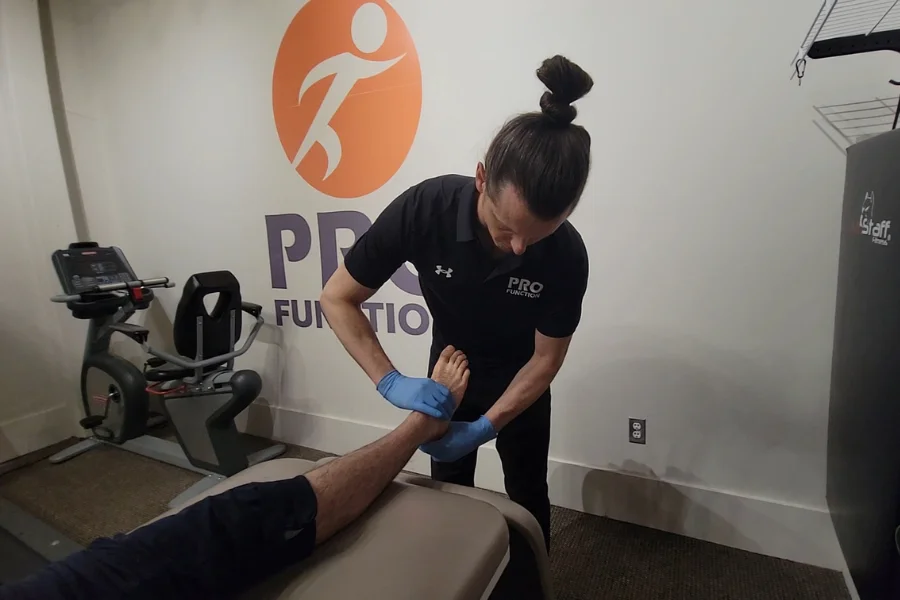
Every patient responds differently to treatment, which is why physiotherapy programs are personalized. Depending on your condition, your physiotherapist may recommend one or more of the following techniques.
Manual Therapy
Manual therapy involves hands-on techniques used to improve joint mobility, reduce muscle tension, and relieve pain. It can also improve circulation and restore normal movement patterns.
Therapeutic Exercise
Exercise is one of the most effective tools in physiotherapy. Carefully selected exercises help:
- Improve muscle strength
- Restore flexibility
- Increase endurance
- Improve joint stability
- Enhance overall function
Unlike generic workout plans, therapeutic exercises are tailored to your condition and recovery goals.
Stretching Programs
Tight muscles often contribute to pain and restricted movement. Regular stretching improves flexibility, reduces stiffness, and allows joints to move more freely.
Balance and Stability Training
Balance exercises are especially important for older adults, athletes, and individuals recovering from injury. Better balance reduces the risk of falls and helps improve confidence during movement.
Posture Correction
Poor posture can place excessive stress on your spine, shoulders, and knees. Your physiotherapist will assess your posture and teach strategies to improve body alignment during work, exercise, and everyday activities.
Functional Movement Training
Rather than focusing only on isolated muscles, functional training helps improve movements you perform every day, such as:
- Walking
- Climbing stairs
- Sitting and standing
- Lifting objects
- Squatting
- Reaching overhead
This approach helps patients return safely to their normal routines.
Education and Injury Prevention
One of the greatest benefits of physiotherapy is learning how to prevent future injuries. Your physiotherapist may provide advice on:
- Proper lifting techniques
- Workplace ergonomics
- Exercise modifications
- Warm-up routines
- Home exercises
- Healthy movement habits
These strategies help maintain long-term results even after your treatment is complete.
Why Choose Physiotherapy Instead of Only Pain Medication?
Pain medications can help reduce discomfort for a short period, but they generally don’t address the underlying cause of pain. In many cases, symptoms return once the medication wears off.
Physiotherapy focuses on identifying and treating the source of the problem. By improving strength, flexibility, posture, and movement patterns, it supports long-term recovery rather than temporary symptom relief.
Some of the long-term benefits of physiotherapy include:
- Treats the root cause of pain
- Improves movement and mobility
- Restores muscle strength
- Helps prevent recurring injuries
- Supports faster recovery after injury or surgery
- Reduces dependence on pain medication
- Improves overall quality of life
For many people, physiotherapy is an important part of a comprehensive pain management plan.
How Pro Function Supports Your Recovery
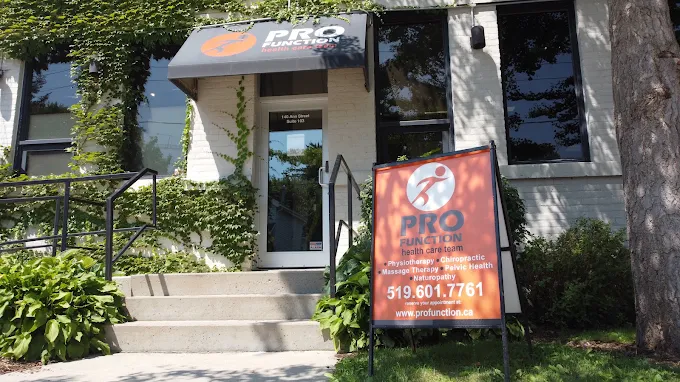
At Pro Function, every patient receives an individualized treatment plan based on their condition, goals, and lifestyle. The experienced team takes a patient-centred approach, combining evidence-based physiotherapy treatment with education and active rehabilitation to help patients recover safely and confidently.
Whether you’re dealing with back pain, neck stiffness, knee injuries, shoulder problems, sports-related conditions, or post-surgical rehabilitation, the focus is on restoring movement, reducing pain, and helping you return to the activities you enjoy.
In addition to physiotherapy, Pro Function offers a multidisciplinary approach through services such as massage therapy, chiropractic care, concussion management, pelvic health physiotherapy, pedorthics, naturopathic medicine, and sports rehabilitation. This collaborative model allows patients to receive comprehensive care tailored to their unique needs.
Frequently Asked Questions
Yes. Many musculoskeletal conditions improve with physiotherapy, helping patients reduce pain, regain function, and in some cases avoid or delay surgery. If surgery is necessary, physiotherapy also plays an important role in preparing for and recovering after the procedure.
The number of sessions depends on your diagnosis, the severity of your condition, your overall health, and your recovery goals. Some people notice significant improvement within a few visits, while others with more complex conditions may benefit from a longer rehabilitation program.
Some exercises or hands-on techniques may cause mild discomfort as your body adapts during recovery, but treatment should not cause severe pain. Your physiotherapist will adjust your treatment plan to match your comfort level and progress.
Yes. Improving strength, flexibility, balance, posture, and movement mechanics can significantly reduce the risk of recurring injuries and help you stay active.
Final Thoughts
Pain in your back, neck, knees, or shoulders shouldn’t prevent you from living an active and fulfilling life. Whether your symptoms are caused by an injury, poor posture, repetitive strain, arthritis, or surgery, physiotherapy offers a safe and evidence-based approach to recovery.
By identifying the root cause of your pain and creating a personalized treatment plan, physiotherapy helps restore movement, improve strength, reduce discomfort, and lower the risk of future injuries. Instead of simply managing symptoms, it empowers you to move with greater confidence and achieve long-term results.
If you’re ready to take the next step toward lasting pain relief, the experienced team at Pro Function is here to help you recover, regain mobility, and return to the activities you enjoy.