
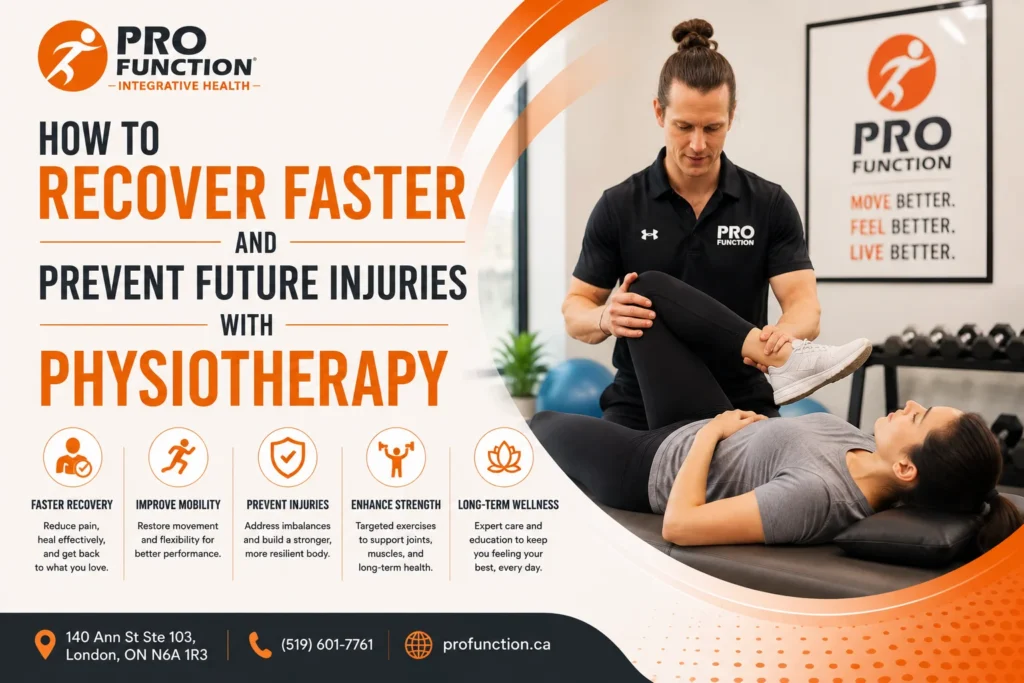
Recovering from an injury is about more than waiting for the pain to go away. Whether you’ve suffered a sports injury, strained a muscle, undergone surgery, or are dealing with chronic joint pain, the right rehabilitation plan can make a significant difference in how quickly and safely you recover. While rest is important during the early stages of healing, staying inactive for too long can lead to muscle weakness, joint stiffness, and an increased risk of future injuries.
This is where physiotherapy plays a vital role. Through personalized rehabilitation programs, evidence-based treatments, and guided exercises, physiotherapy helps restore movement, improve strength, reduce pain, and support your body’s natural healing process. More importantly, it addresses the root cause of your injury, helping you recover faster while reducing the likelihood of experiencing the same problem again.
If you’re looking to recover faster with physiotherapy and stay active for the long term, understanding how physiotherapy works is the first step toward achieving a healthier, stronger body.

Why Proper Recovery Matters
Many people stop treatment as soon as the pain begins to improve. However, pain relief doesn’t always mean the injury has fully healed. Muscles may still be weak, joints may lack stability, and movement patterns may remain impaired.
Returning to work, sports, or daily activities too soon can increase the risk of re-injury and may even lead to chronic pain.
Proper rehabilitation focuses on restoring your body’s strength, flexibility, balance, and coordination before you resume normal activities. Physiotherapy provides a structured recovery plan that helps you heal safely while reducing the chances of setbacks.
How Physiotherapy Helps You Recover Faster
Physiotherapy is designed to support every stage of the healing process. After completing a detailed assessment, your physiotherapist develops a personalized treatment plan based on your condition, activity level, and recovery goals.
Here are some of the ways physiotherapy for injury recovery can help speed up healing.
Reduces Pain Naturally
Pain often limits movement, making it difficult to stay active. Physiotherapists use a combination of manual therapy, therapeutic exercises, mobility techniques, and education to help reduce pain naturally without relying solely on medication.
As pain decreases, patients can move more comfortably and begin rebuilding strength and function.
Restores Mobility and Flexibility
After an injury or surgery, joints and muscles often become stiff due to inflammation or reduced activity.
Physiotherapy includes stretching exercises, joint mobilization, and movement training to restore your range of motion. Improving flexibility allows you to perform everyday activities more comfortably while reducing unnecessary stress on surrounding muscles and joints.
Rebuilds Muscle Strength
Weak muscles can delay recovery and place additional strain on injured tissues. Strengthening the muscles surrounding the affected area improves support, stability, and overall function.
Your physiotherapist will gradually introduce exercises that match your stage of recovery, ensuring you build strength safely without overloading healing tissues.
Improves Balance and Coordination
Injuries often affect your balance and body awareness, increasing the risk of falls or re-injury.
Balance and coordination exercises help retrain your body’s movement patterns, making everyday activities and sports safer and more efficient.
This is especially important for athletes, older adults, and individuals recovering from lower limb injuries.
Supports Safe Return to Daily Activities
One of the primary goals of physiotherapy is helping you return to the activities you enjoy.
Whether you want to:
- Return to work
- Play sports again
- Exercise safely
- Walk without pain
- Lift objects comfortably
Your rehabilitation program progresses gradually to ensure your body is ready for these physical demands.
How Physiotherapy Helps Prevent Future Injuries
Recovery doesn’t end once the pain is gone. Preventing future injuries is one of the biggest advantages of physiotherapy.
Identifies the Root Cause
Pain is often a symptom rather than the actual problem. A physiotherapist looks beyond the painful area to identify underlying factors such as:
- Poor posture
- Muscle imbalances
- Joint stiffness
- Weak core muscles
- Limited flexibility
- Incorrect movement patterns
Treating these issues helps reduce the likelihood of recurring injuries.
Improves Movement Mechanics
Simple movements like walking, lifting, squatting, or reaching overhead can place unnecessary stress on your body if performed incorrectly.
Your physiotherapist will assess how you move and teach safer, more efficient movement techniques that protect your joints and muscles during everyday activities.
Strengthens Weak Areas
Weak muscles force other parts of the body to compensate, increasing the risk of injury.
A personalized strengthening program targets these weaker areas to improve stability, balance, and overall physical performance.
Corrects Poor Posture
Modern lifestyles often involve long hours of sitting, working at a computer, or using mobile devices.
Poor posture can contribute to:
- Neck pain
- Back pain
- Shoulder pain
- Muscle fatigue
- Joint stress
Physiotherapy helps improve posture through education, strengthening exercises, and ergonomic advice, reducing strain on the body during daily activities.
Provides a Personalized Home Exercise Program
Recovery doesn’t stop when you leave the clinic.
Your physiotherapist will recommend a home exercise program designed to maintain your progress between appointments. Performing these exercises consistently helps improve strength, flexibility, and mobility while lowering the risk of future injuries.
Common Conditions That Benefit from Physiotherapy
Physiotherapy can help people recover from a wide variety of injuries and conditions, including:
- Sports injuries
- Back pain
- Neck pain
- Shoulder injuries
- Knee injuries
- Hip pain
- Muscle strains
- Ligament sprains
- Tendinitis
- Rotator cuff injuries
- Arthritis
- Post-surgical rehabilitation
- Chronic pain
- Balance and mobility problems
Regardless of the condition, the focus remains on improving movement, restoring function, and helping patients return to their normal routines safely.
Physiotherapy Techniques Used During Recovery
Your treatment plan may include one or more evidence-based techniques depending on your condition and recovery goals.
Manual Therapy
Hands-on techniques improve joint mobility, reduce stiffness, and relieve muscle tension.
Therapeutic Exercise
Customized exercises strengthen muscles, improve flexibility, and restore normal movement patterns.
Stretching Programs
Stretching helps increase flexibility, reduce muscle tightness, and improve overall mobility.
Balance and Stability Training
These exercises improve coordination and reduce the risk of falls or recurring injuries.
Functional Rehabilitation
Treatment focuses on movements you’ll use in everyday life, whether it’s walking, climbing stairs, lifting objects, or returning to sports.
Patient Education
Learning proper body mechanics, posture, and injury prevention strategies empowers you to protect your body long after treatment has ended.
Tips to Maximize Your Recovery
You can support your rehabilitation by following a few simple habits:
- Attend all scheduled physiotherapy appointments.
- Complete your home exercise program consistently.
- Stay active within your physiotherapist’s recommendations.
- Avoid returning to strenuous activities too quickly.
- Maintain good posture throughout the day.
- Eat a balanced diet and stay hydrated.
- Get enough sleep to support tissue healing.
- Communicate any changes in your symptoms with your physiotherapist.
Small, consistent efforts often lead to the best long-term results.
Why Choose Pro Function?
At Pro Function, rehabilitation is more than simply treating pain—it’s about helping you regain confidence in your movement and improve your overall quality of life.
The experienced physiotherapy team develops personalized treatment plans tailored to your condition, goals, and lifestyle. Whether you’re recovering from a sports injury, surgery, chronic pain, or everyday aches and pains, you’ll receive evidence-based care designed to support lasting recovery.
In addition to physiotherapy, Pro Function offers a multidisciplinary approach through services such as sports rehabilitation, massage therapy, chiropractic care, concussion management, pelvic health physiotherapy, pedorthics, and custom orthotics. This collaborative approach ensures patients receive comprehensive care under one roof.
Frequently Asked Questions
Yes. Physiotherapy promotes safe healing by improving mobility, restoring strength, reducing pain, and addressing the underlying cause of your injury.
Early assessment is often beneficial, but the ideal timing depends on your injury or surgery. A physiotherapist can recommend the most appropriate treatment plan based on your condition.
Absolutely. By improving strength, flexibility, posture, balance, and movement mechanics, physiotherapy helps reduce the risk of recurring injuries.
No. Physiotherapy benefits people of all ages and activity levels, including office workers, seniors, post-surgical patients, and anyone recovering from an injury or managing chronic pain.
Recover Stronger with Pro Function
Healing takes time, but the right rehabilitation program can help you recover more efficiently and reduce the risk of future injuries. Physiotherapy focuses on restoring movement, rebuilding strength, improving flexibility, and correcting movement patterns so you can return to your daily activities with confidence.
Whether you’re recovering from an injury, surgery, or persistent pain, Pro Function is committed to helping you achieve long-term results through personalized, evidence-based care. If you’re ready to recover faster and move with greater confidence, schedule your physiotherapy assessment and take the first step toward lasting recovery.